Κάντε log in ή Εγγραφείτε εδώ
Αναζήτηση: Lilika Couri-Suzanne Antonaros
Results 41 - 50 of 70
Results
ANSWER: A flexible, integrated skills activity, “Let’s exchange stories”, in which groups of language learners build a story inspired by visuals, creates an opportunity for groups of learners to relate stories to each other providing them with plenty of practice in observing, notetaking, listening, speaking and cooperation.
To get your learners’ eyes back into their vocabulary notebooks and to give them opportunities to speak ‘new’ words and phrases, try a group revision activity, “From Letter to Word to Sentence”:
Prepare cards with an alphabet letter on each. You can choose those letters which are frequently the initial letters of the vocabulary words that your learners have been presented. You will need 3-4 letter cards for each learner or pair of learners you have in class.
ANSWER: Now that summer is here and many of us will be spending time near the sea, we can use a series of video activities to introduce useful words and, at the same time, further sensitize our learners about the importance of recycling plastic.
Answer: This is something we are asked quite often. Many colleagues would like to celebrate Thanksgiving with their learners. The activity we describe below can be used with learners from A Senior+.

"Thanks for. . . "Thanksgiving Celebration
Materials needed: Colored A4 paper.
ΑΠΑΝΤΗΣΗ: Πολλή καλή ιδέα, και λίγο πριν αρχίσουν τα σχολεία, είναι μια καλή περίοδος για μια σχετική ενδοσκόπιση που θα μας ενδυναμώσει και θα μας βοηθήσει στο ξεκινημα της νέας σχολικής χρονιάς. Η άσκηση που προτείνουμε είναι καταρχήν άσκηση Συναισθηματικής Νοημοσύνης.
ΤΙΤΛΟΣ: "Εγώ και οι άλλοι"
YΛΙΚΑ: Οι ερωτήσεις που ακολουθούν:
1. Γράψε 3 πράγματα που κάνει ο Διευθυντής/τρια σου που είναι όμοια με αυτά που κάνεις και εσύ.
2. Γράψε 3 πράγματα που θα ήθελες να κάνει.
QUESTION: I'm not sure what Learning-to-Learn Activities are. Who are they for and how do we use them in the classroom?
ANSWER: Learning-to-Learn (LTL) activities are activities we use to help our learners 'learn HOW to learn' independently, as well as with the teacher.
There are many LTL activites for learners of all ages. Two of the most important, we would say, are Using the Monolingual Dictionary and Error Detection and Correction.
Project Image:
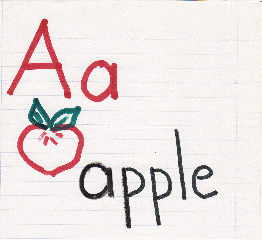
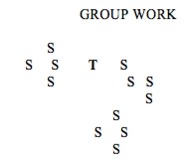
ANSWER: We suggest you try “The Writing-Go-Round”, a group writing activity which works well in Exam-Preparation classes to help ease the tension and make writing fun!
PREPARATION: The teacher prints out strips, each with writing task instructions. Sources for these tasks can be coursebooks or past exam papers. Here are three examples of B1-level writing task instructions:
Strip A: "Write an essay about a celebration in a country you know. Remember to:
Project Image:
Προβολή στην αρχική σελίδα :
yes
ANSWER:
We have an activity titled ‘What did you say?’ exchanges which accommodates a dictionary investigation to check that the homophones introduced in pairs, indeed, share the same pronunciation despite their different spellings.
ANSWER:
Summer is an appropriate time to reflect on our teaching and to try out, at leisure, a number of new activities. As we promised in our article last June, we would suggest a number of additional poetry activities for all ages.
Poetry is indeed an excellent way to help our learners develop their writing skills. At the same time, as we have already discussed, it helps them develop their "feel" for words and for the language itself.
ΑΠΑΝΤΗΣΗ: Είναι καλό η Πρώτη Ημέρα της Τάξης να έχει 'χρώμα' και ενδιαφέρον για να δώσει κίνητρα στους μαθητές μας. Μια άσκηση λοιπόν που μπορείτε να την χρησιμοποιήσετε σε Επίπεδα Α1+, καθώς και με παιδιά 9+ και σε όλες τις ξένες γλώσσες, και στα ελληνικά ως ξένη γλώσσα.
ΤΙΤΛΟΣ: "Το γράμμα του Αλφαβήτου που μου αρέσει"
ΕΠΙΠΕΔΟ: Τζούνιορ Β+ - Β κανονική
ΥΛΙΚΑ: Οι μαθητές θα χρειαστούν ένα λευκό Α4 χαρτί. Θα τους το δώσετε