Κάντε log in ή Εγγραφείτε εδώ
Αναζήτηση
Results 621 - 630 of 636
Results



Ημερομηνία:
16/06/2015
Φωτογραφία:

Μπορείτε να βρείτε τα θέματα των εξετάσεων NOCN Ιούνος 2015
Ημερομηνία:
22/06/2014
Φωτογραφία:

Ημερομηνία:
28/01/2018
Φωτογραφία:

Από το Φεβρουάριο του 2019 το Goethe-Institut Athen θα διεξάγει εξετάσεις στις ακόλουθες Παρασκευές, απογευματινές ώρες. Τις ημερομηνίες των εξετάσεων θα τις βρείτε εδώ.
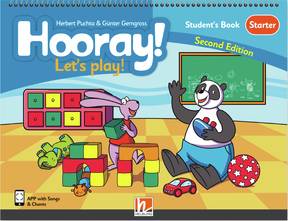
The best start for very young learners
The updated version of our award-winning course for teaching English to very young learners.
Προβολή στην αρχική σελίδα:
yes
Προβολή στα άρθρα / λίστα με 7:
yes
Φωτογραφία:
ISBN:
9783990892701
Συγγραφές:
Herbert Puchta, Günter Gerngross
Components:
Student's Book
Teacher's Book
Workbook
Alphabet Βook
Interactive Whiteboard Software
Ημερομηνία Καταχώρησης:
Mon, 27/08/2012 - 19:03
Πώς λειτουργούσε ο μεταφραστής στο παρελθόν; Ποιες ανάγκες κάλυπταν οι μεταφραστές τους προηγούμενους αιώνες, τι μετέφραζαν, τι είδους βοηθήματα είχαν στη διάθεσή τους, ποια μεταφραστική προσέγγιση ακολουθούσαν. Ποιο είναι το προφίλ του επαγγελματία μεταφραστή σήμερα; Πού εργάζεται, τι μεταφράζει, τι είδους ικανότητες πρέπει να έχει, μπορεί να είναι αυτοδίδακτος ή πρέπει να είναι εκπαιδευμένος; Σ’ αυτά τα ερωτήματα θα επιχειρήσω να απαντήσω στη συνέχεια.
Ημερομηνία Καταχώρησης:
Sun, 20/09/2015 - 21:04
Let’s be honest. Lack of confidence is one of the biggest barriers to language acquisition that we face in our classrooms. And it is not confidence in the language that is the only problem. It is the confidence of the learner in themselves. These leaner insecurities start surprisingly (and heartbreakingly) young and are there in some of the most experienced professional students I have taught, but for the purposes of this article and for my workshops in the IPs I’d like to focus on secondary school students.
Ημερομηνία Καταχώρησης:
Fri, 14/10/2016 - 12:18
The following article constitutes part of my dissertation for the University of Glasgow Postgraduate Diploma in Inclusive Education, Research, Policy and Practice. The full article can be found at the author’s account at www.researchgate.com.
Abstract
Ημερομηνία Καταχώρησης:
Sat, 25/08/2018 - 12:23
Προβολή στην αρχική σελίδα:
yes
In this article I will outline an alternative way of teaching grammar and argue that students should be encouraged to explore reasons rather than rules. I will suggest how you can start doing this by sharing tips and techniques drawn from my lessons and from teachers working in different contexts.
1) What are rules and why are they problematic?